Asia Is Second in Space Deals. Southeast Asia’s Next Step Is Private Capital.
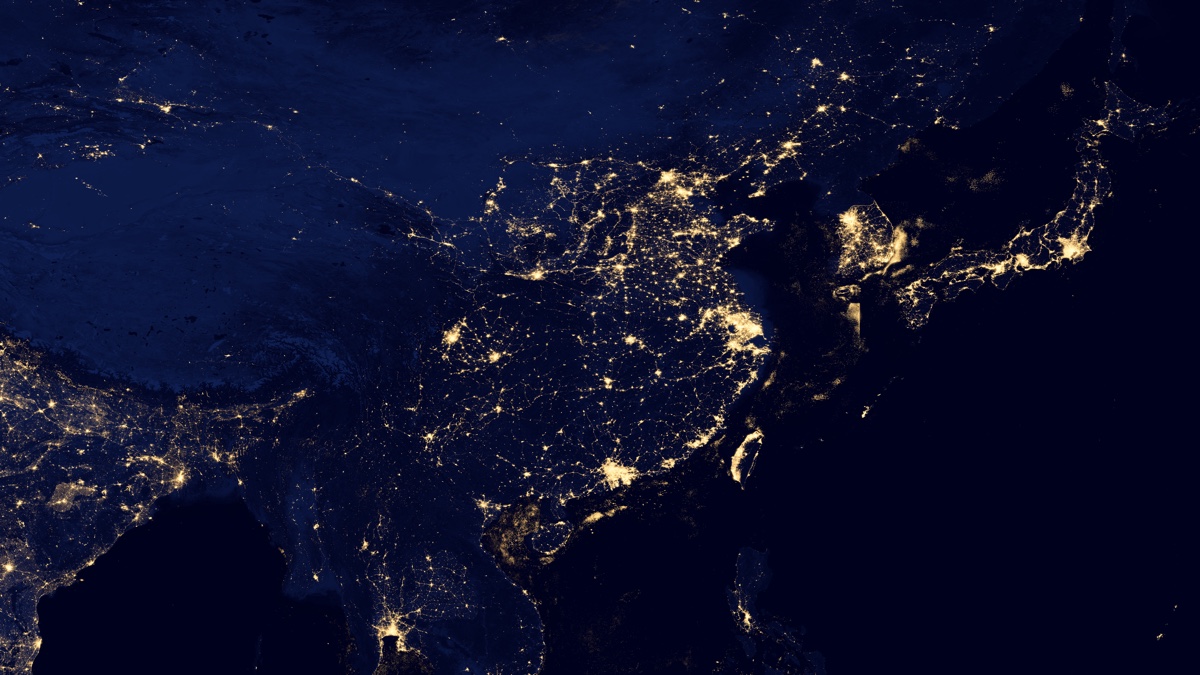
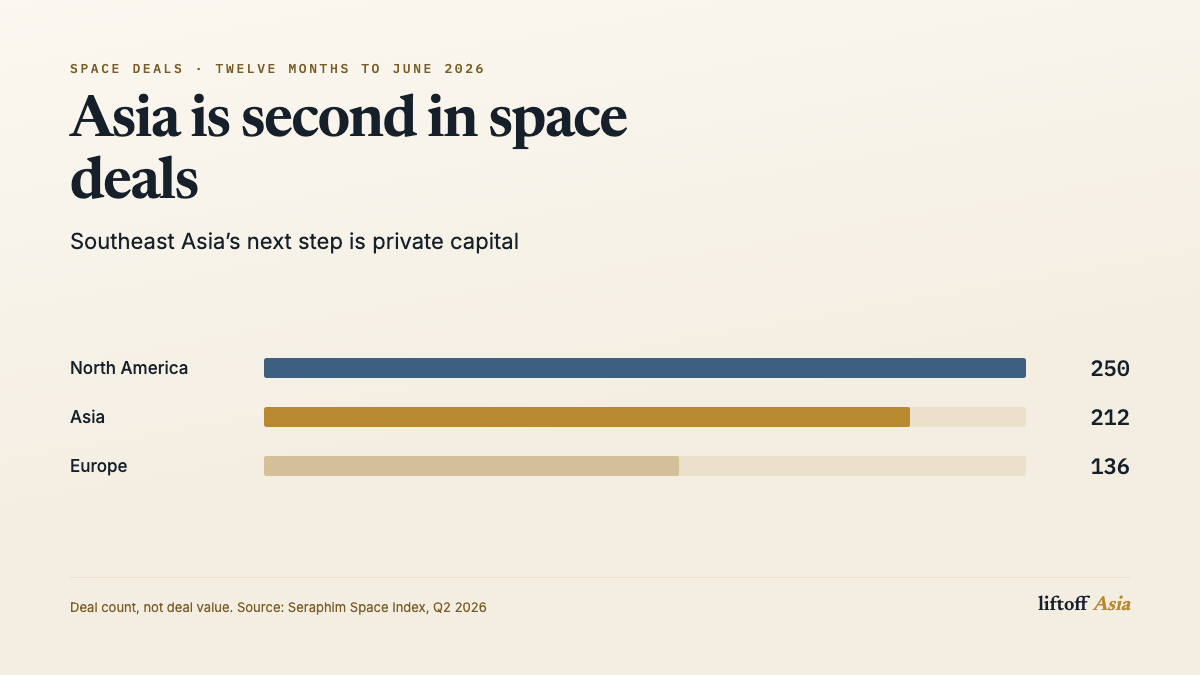
Asia did 212 deals in the year to June 2026. Europe did 136. North America still took most of the money — and in Southeast Asia, the cheques are still mostly government.
All essays
Every issue of Liftoff Asia. New essay every Wednesday.
Asia did 212 deals in the year to June 2026. Europe did 136. North America still took most of the money — and in Southeast Asia, the cheques are still mostly government.
Six rounds closed in two weeks across China, India and Japan, and three of them were never written up in English. A new series putting the actual cheques on the page.
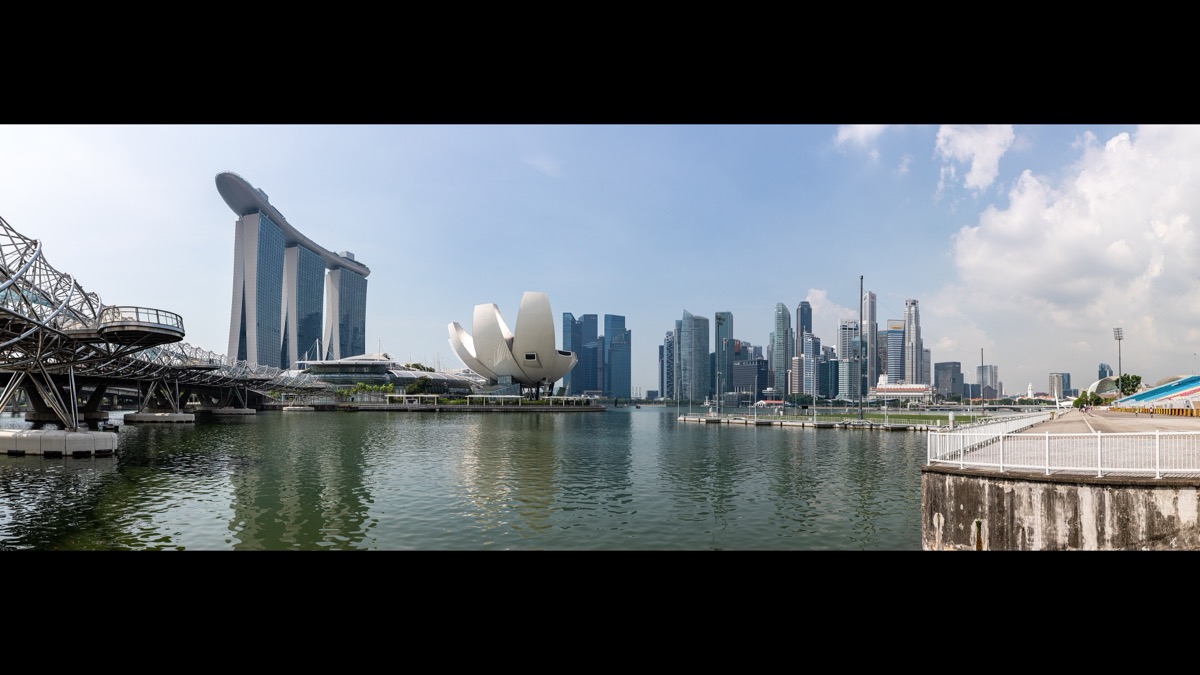
Asked in Parliament what its new space agency is actually for, Singapore's answer named two things: urban planning and port operations. What I found was a country buying orbit to run an island.
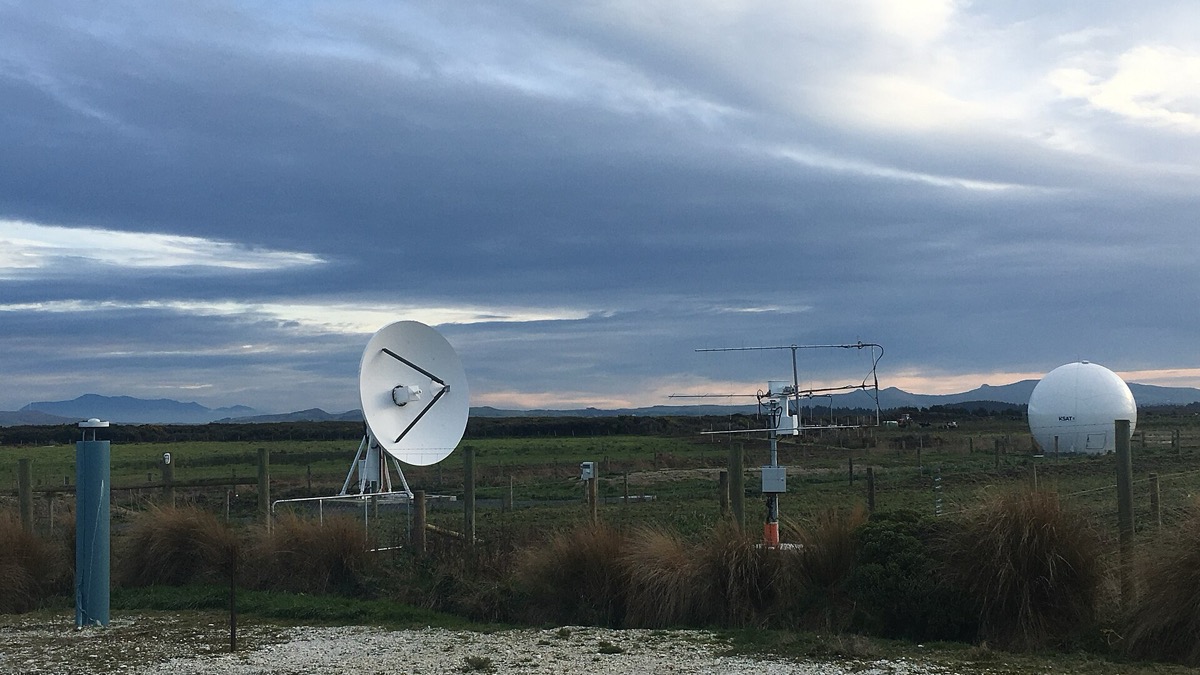
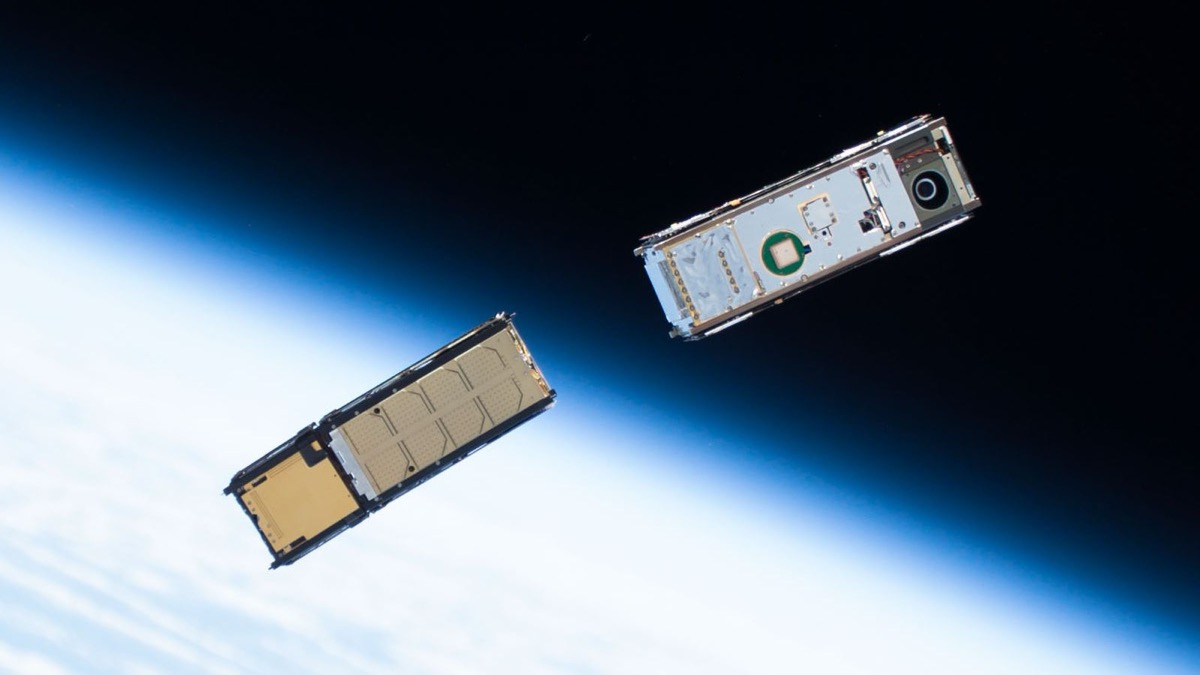
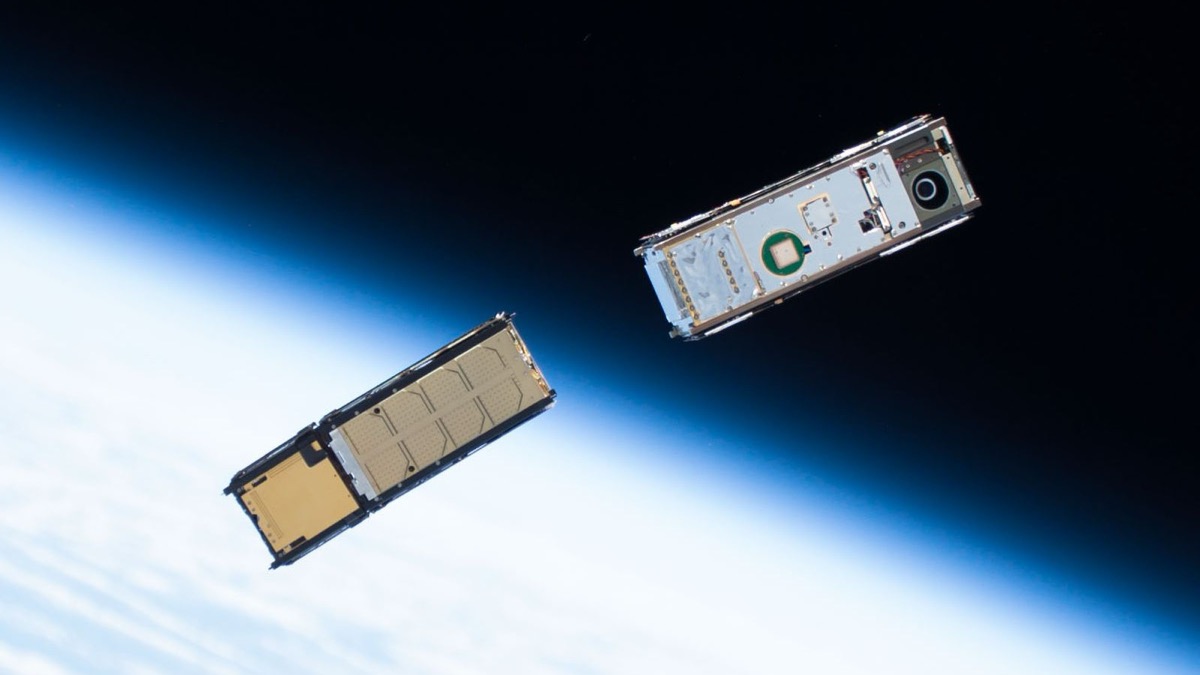
Satellite sensors improve about 100x per generation; the radios that send the pictures home improve 3-5x. So satellites photograph more than they can transmit and delete the rest. The fix, and the two things standing in the way.
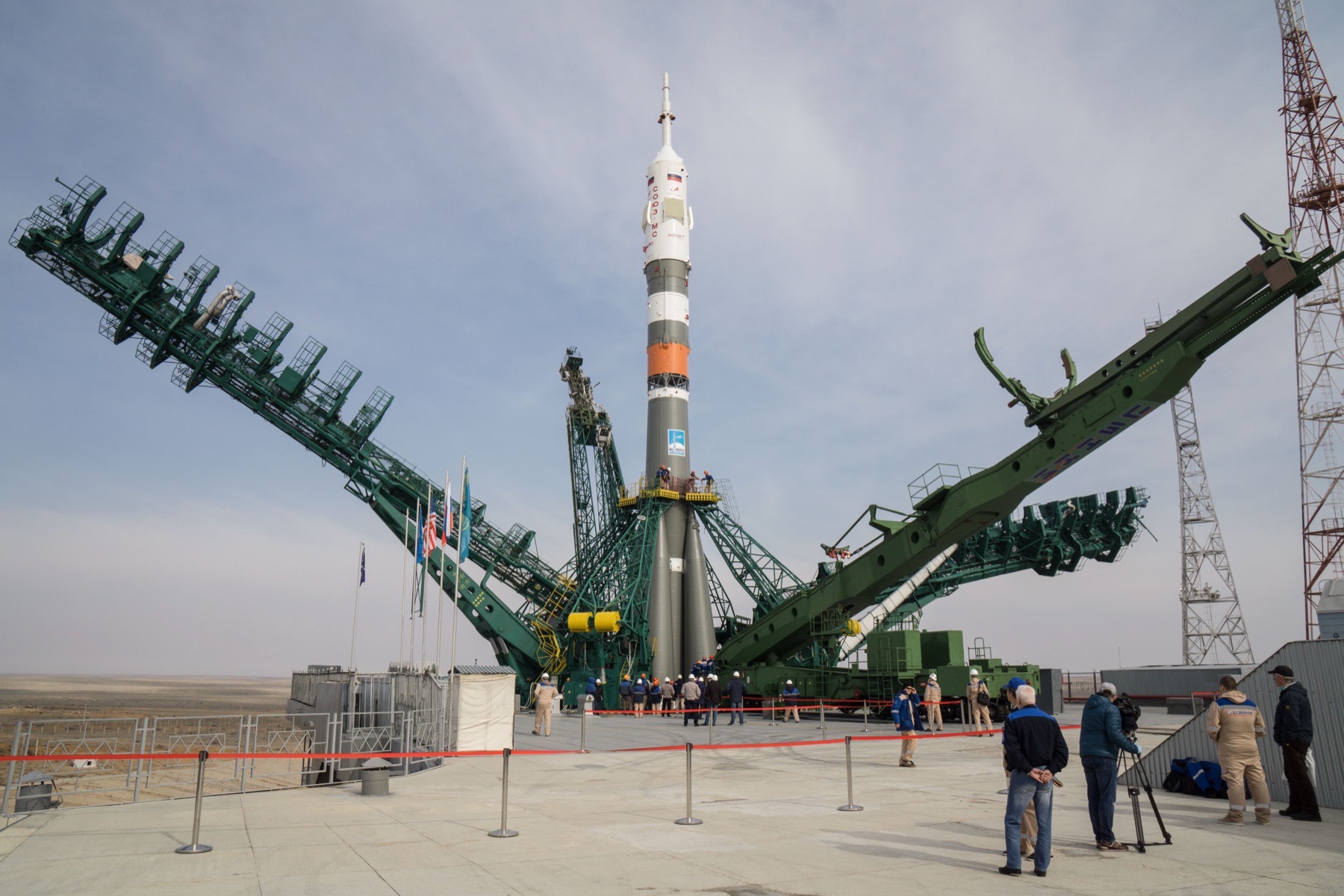
Kazakhstan owns the world's largest spaceport and leases most of it to Russia until 2050. Its space regulator now sits inside a Ministry of Artificial Intelligence. And the licensing route for a private space company has been open since 2016 — this month, a small team in Almaty used it.
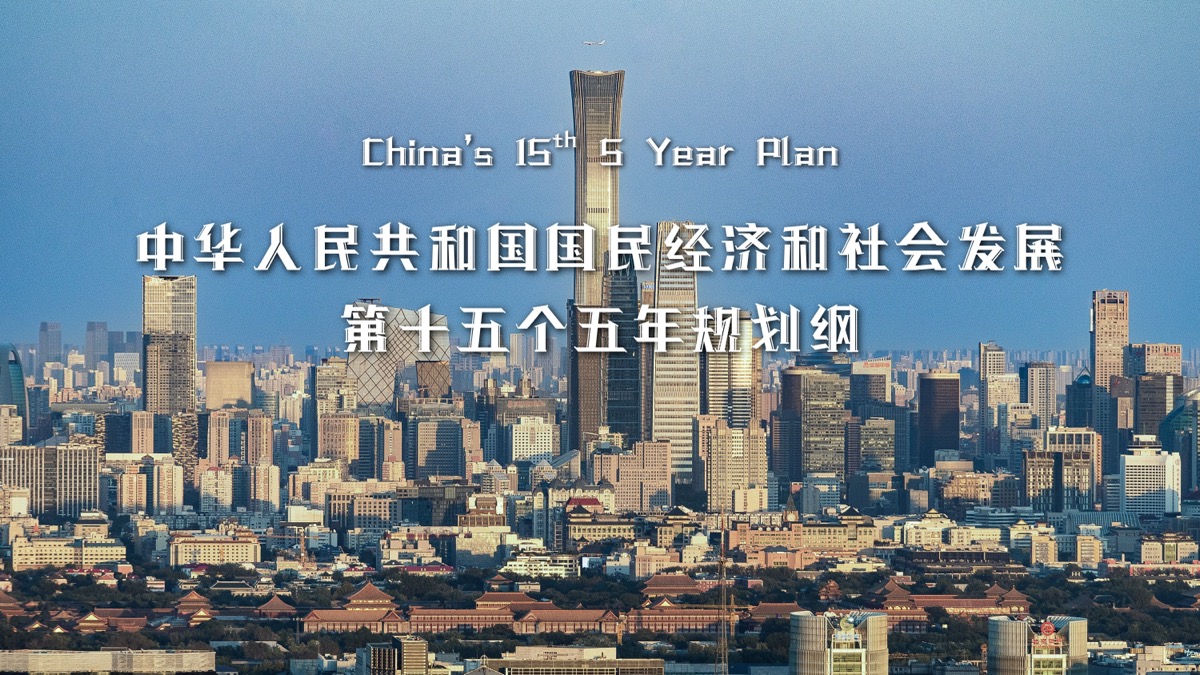
China's new Five-Year Plan adds space to its list of pillar industries. What that means, how China actually ships these plans, and where Asia shows up.
Indonesia couldn't lay cable across 17,000 islands, so it launched a 150 Gbps satellite and pointed it at the schools and clinics the internet forgot. The quiet lesson about where space money actually goes.
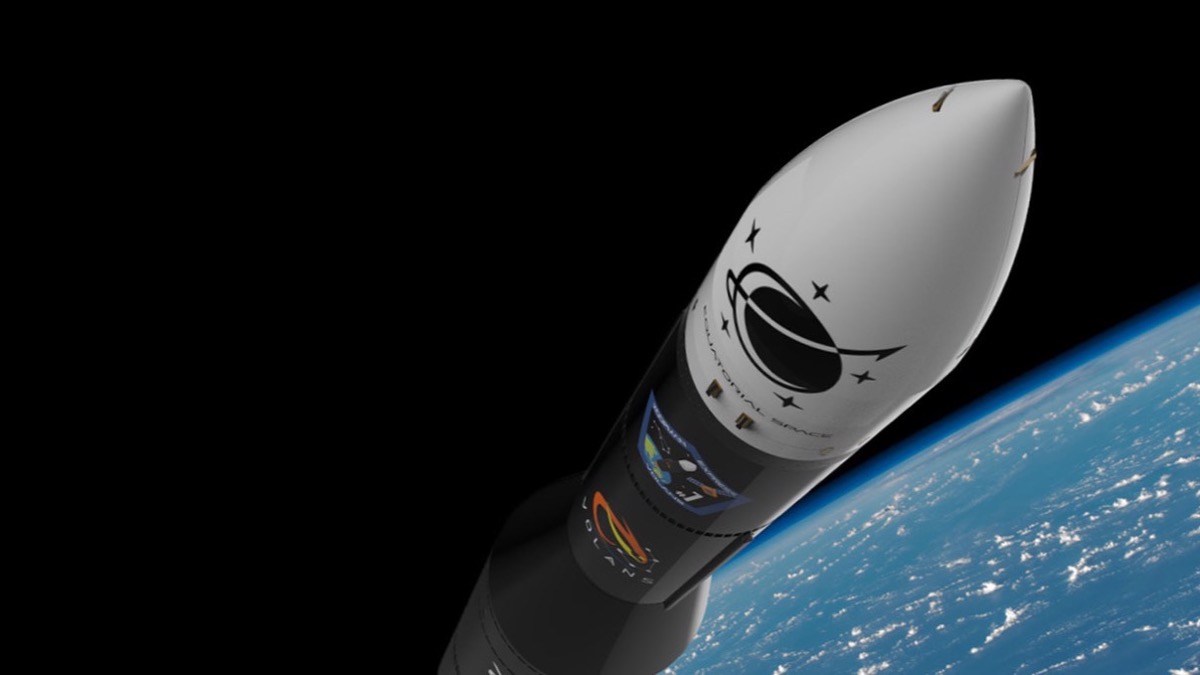
Southeast Asia builds satellites but has never launched one — they all ride foreign rockets. Equatorial Space, now inside Thailand's FastPass program, wants to change that with a non-explosive fuel made in Singapore. An exclusive look at founder Simon Gwozdz's company, and why a government, an investor, and a customer should all care.
A top deep-tech VC, Alexandra Vidyuk of Beyond Earth Ventures, breaks down the exact machine a country needs to turn university research into companies — the seven parts, what Singapore gets right, and what the rest of Southeast Asia can work on.
Vietnam has one of the most capable satellites in Southeast Asia — and it can't get to orbit. Why the region builds and operates its own satellites but still depends on bigger partners to fly them, and the companies trying to change that.
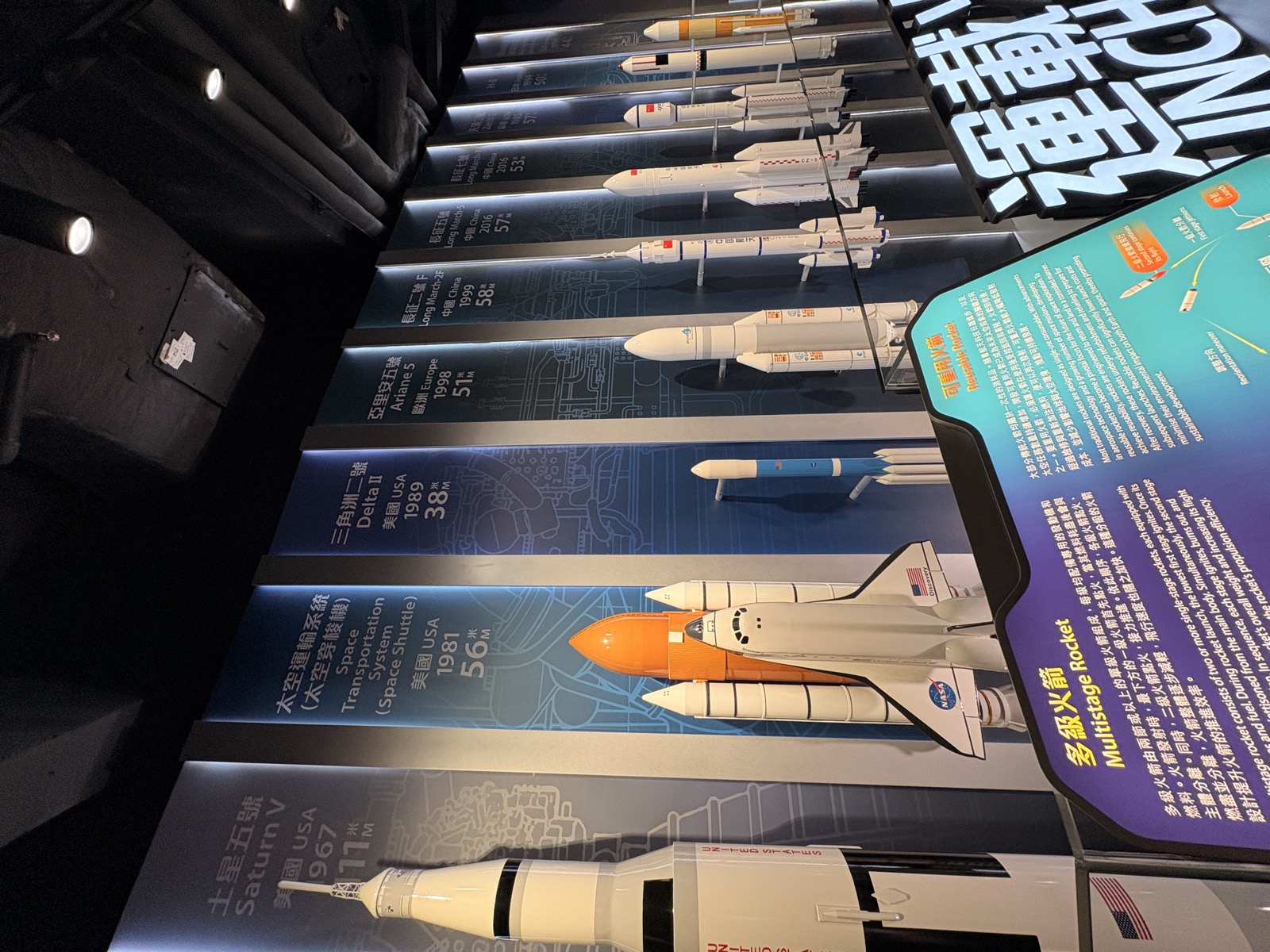
Barred from the world's space station by a US law, China built its own from scratch. It's a fifth the size — and it just set the record for the longest spacewalk in history. What Tiangong is made of, what it's done, and what China wants to do with it next — plus a video from the Hong Kong Space Museum.
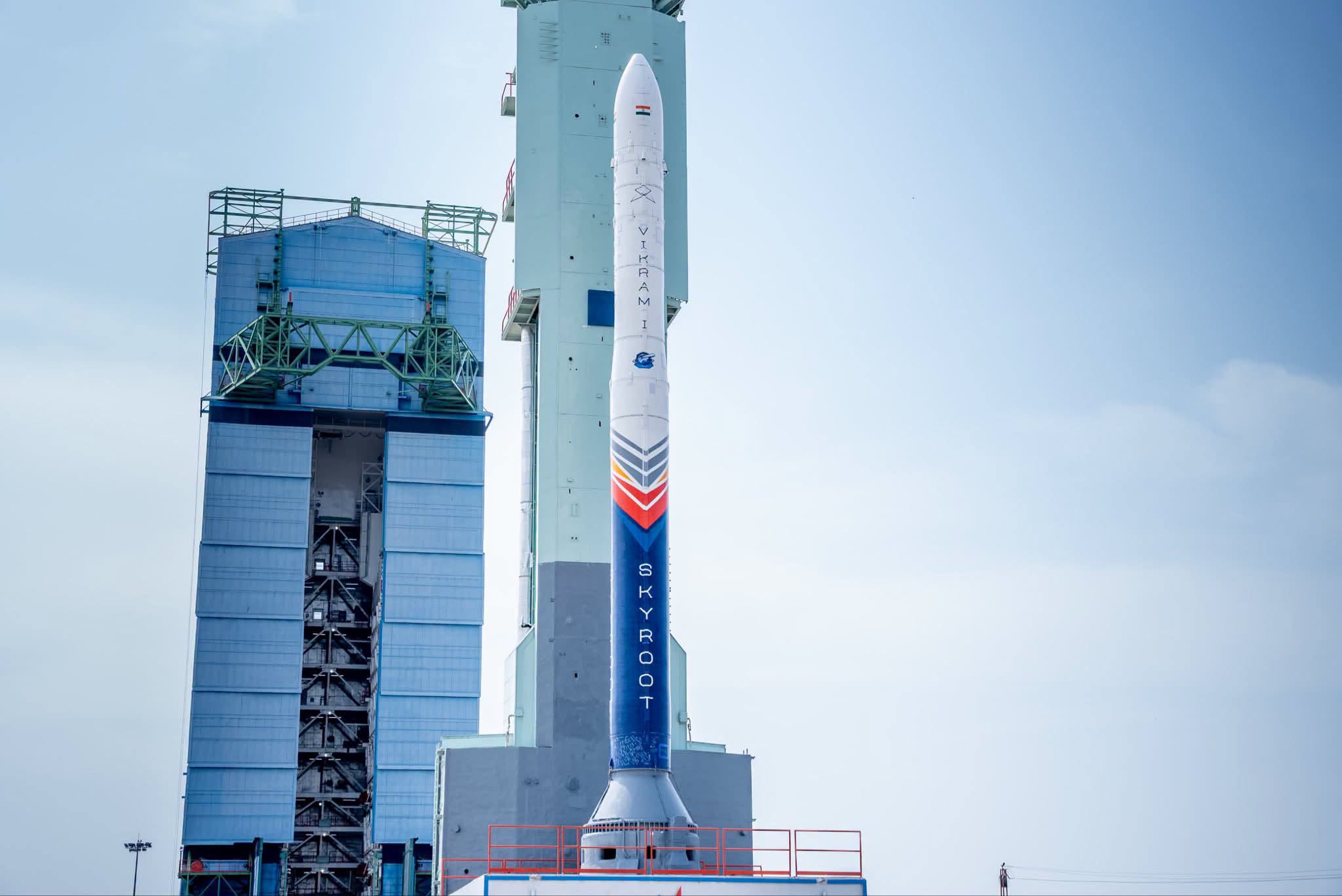
On 18 July, Skyroot's Vikram-1 became the first privately built Indian rocket to reach orbit — first try. The founders started the company in 2018, before India had any law permitting private launch. The story of how India got here, who paid for it, and why one small rocket points at a $44B space economy.
A space event in Hong Kong, full of financiers, lawyers and family offices instead of rocket engineers. Hong Kong isn't trying to launch anything — it's pointing finance, insurance, law, logistics and education at the space economy. Five doors in, none of which need an engineering degree.
Cheap reusable launch made space 97% cheaper — a tide that lifted every boat. But Asia's contribution was never the rocket; it's the rovers, the sample-return science, the navigation backbones and the talent the cheaper rocket now carries. What the region actually builds in space — and the one thing it still can't do.
In February, sixteen days apart, China's Long March 10 flew for the first time and NASA pushed its crewed landing to 2028. A progress audit of both lunar programmes — hardware, budgets, timelines — and the single crater rim they're both aiming at.
On June 12, JAXA flew the H3-30S — three liquid engines, zero solid boosters, roughly half the price of the H-IIA it replaces and pitched at Falcon 9 parity. Japan's cheap-launch play, top-down from the flagship, while India runs the same race bottom-up with Skyroot and the SSLV. Two models of cheap, and what each means for Asian payloads.
Dr. Bidushi Bhattacharya read the commercial space boom from inside NASA's JPL a decade early, then moved to Singapore and built AstroHub — the people-layer the sector was missing. Her career is a playbook for founders, investors, and anyone reading where space goes next.
Meet Nicholas Barnett — cotton chipper, oil and gas, lunar PhD. He and co-founder Andrew Hazelton run Interstellar Mapping (lunar geospatial intelligence) and Interstellar Innovation (lunar regolith simulants). Two companies building the decision and de-risking layer of the Asian lunar economy.
Three Asian countries already have hardware on the lunar surface. One has an orbiter active. A working brief on the layers of the Asian lunar economy, the gaps where new entrants get in, and what to do about each — for investors, founders, policymakers, and corporates.
Singapore consolidated. Malaysia multiplied. And one of Malaysia's three spaceport projects just attracted serious attention from Beijing. A field report from Asia Tech x Singapore 2026.
Artemis II just looped the Moon and broke a 56-year distance record. The bigger story: every Asian country is quietly picking a side in the next Moon race.
A region is quietly building the next layer of orbital infrastructure. Why almost nobody — in Asia or out of it — is writing about it.
Free. One essay a week. Unsubscribe anytime.
Lift Off Asia · Newsletter
Rockets, satellites and the people building them — straight to your inbox. Free.
Email address
Or follow along